Official Guide to Can Tho Giant Ficus Tree – Secret VC base
By Thomas Vietnam at vemekong.com | Official Can Tho Visitor Guide

Mieu Ba Co Hi temple, also known as the historical site of Gian Gua Can Tho or Can Tho giant ficus tree, is located in Nhon Khanh hamlet, Nhon Nghia commune, Phong Dien district, Can Tho city. It is 14km from the center of Can Tho city, there are 2 ways to get to Gian Gua historical site: one is to follow Vong Cung road in My Khanh commune, Phong Dien district, cross the ferry to Nhon Nghia commune, and then follow the signs; The second is to go from Can Tho to Hau Giang, turn onto National Highway 61B (Vi Thanh road), near the foot of Rach Sung bridge, turn left, there is a signboard to enter the monument.


Can Tho people don't pay much attention to her origin - Mrs. Co Hi, but people only know that this is a goddess with full power in deciding happiness for people. The special feature of Ba Co Hi Temple in Can Tho is that the tablet in the shrine does not worship Ba Co Hi but the god of the country (Xu lady - Chua Xu). Thus, the people here did not consider Mrs. Co Hi as an evil god, but identified her with the Lord of the Land.

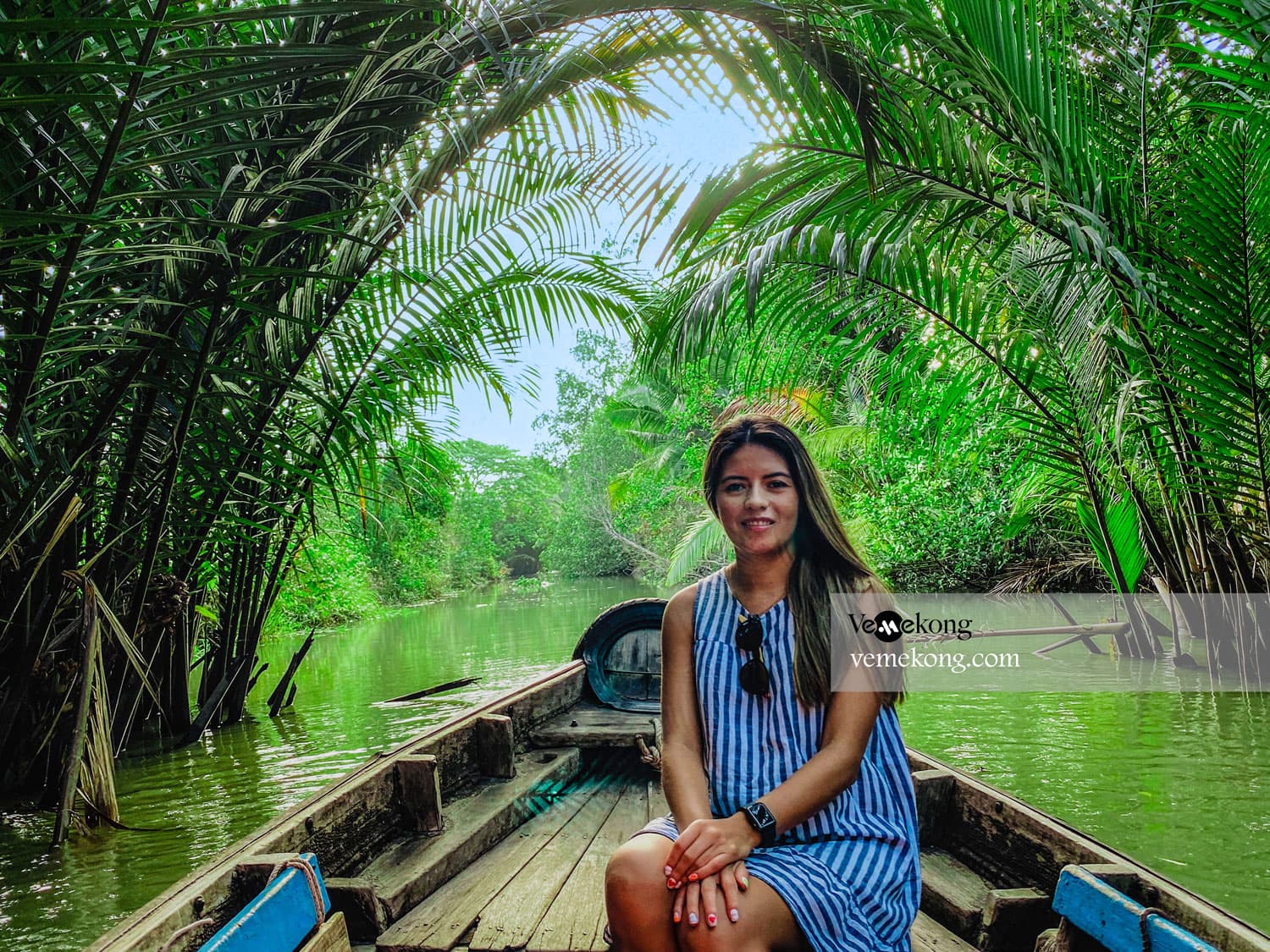
Can Tho Motorbike Countryside Tour (07:00 AM – 11:30 AM or 01:30 PM – 06:00 PM; guests sit on the back of scooters. Tour includes: Ride through hidden countryside roads and narrow village lanes; Experience authentic local life far from tourist crowds; Visit a beautiful cacao farm and taste local cacao products; Explore peaceful canal-side villages; Discover the giant heritage ficus tree, once used as a secret VC base; Visit the historic Binh Thuy Ancient House)
Hotline/WhatsApp/WeChat/Zalo +84939888559
hello@vemekong.com
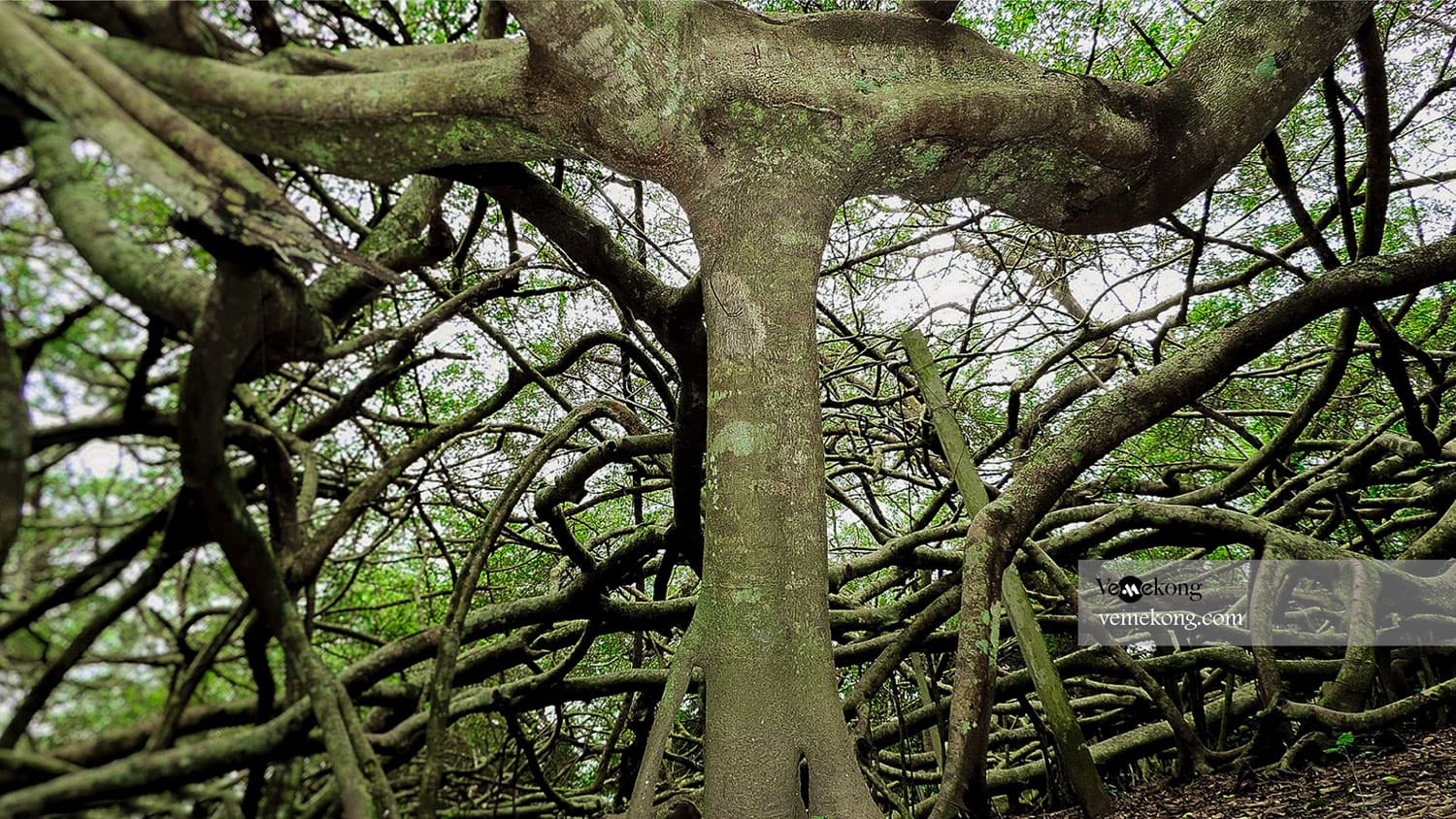
The Gian Gua relic site, with its giant ficus trees over 100 years old, is a tree that represents the wetland ecology of the Mekong Delta. This site used to have a very large area, but due to the destruction of war bombs and the impact of the environment, now only about 2,700 m2. Coming to Gian Gua relic, visitors feel surprised and overwhelmed by a solid primeval rig, with many trees and branches interwoven and intertwined like a giant net, so sometimes the tourists don't know which is the root, where is the branch. There are branches still imprinted with traces of war with cuts and patches caused by bombs and bullets. However, with intense vitality, those ficus trees still sprout and stretch to radiate shade. This is probably the one-of-a-kind ficus giant tree in Vietnam. Currently, it has spread over an area of about 4,000m2.

The Via Ba festival was held with many exciting activities to pay respects to Thuong Dong Co Hy, who is revered by the people as a benefactor of this homeland. Coming to the Gian Gua festival, you will have the opportunity to learn about the worshiping rituals, offerings to the Grand mother and the gods, especially the traditional dance and listen to don ca tai tu and enjoy the fruits.

In particular, this place was also the site of revolutionary activities during the two periods of resistance against the French colonialists and the American empire. During the anti-American era, many meetings took place here to implement resolutions and directives of the Party Committee of the District and Provincial Party Committee; In 1961 – 1965, this site was a secret facility to open training courses, to train special forces in the inner city of Can Tho. Gian Gua Can Tho is also a place where weapons and ammunition are stored, contributing with the armed forces and the people to defeat the war strategies of the US.

With the above values, on April 5, 2013, Can Tho City People's Committee signed Decision No. 1225/QD-UBND ranking Gian Gua as a city-level historical relic. And around this time, Vietnam Association for the Protection of Nature and Environment recognized the Gian Gua as a Vietnamese heritage tree on June 13, 2013. This is also the first heritage tree of the Mekong Delta and the only heritage tree of Can Tho city to be recognized.