Hu Tieu My Tho (Noodle Soup) – Eat Best Food in Tien Giang
My Tho noodle soup is not only a typical dish of Tien Giang cuisine but also a specialty of the South. Anyone who has ever eaten, even once, this dish will forever be attached to its familiar and close taste, reminiscent of the homeland and rivers with childhood memories, especially for those who have had a good time with My Tho land in particular and the people of the South in general.
Nowadays, there are more and more green and responsible tours which are meaningful and educational as well. This is why Can Tho noodle factory is getting popular for both Vietnamese and foreigners to come and explore the cuisine culture and the typical local life in Can Tho, Mekong Delta.
Facts: Compared to Nam Vang noodles, My Tho noodles were different in the past in terms of ingredients for making noodles and spices. However, many people believe that these two dishes are basically the same, because they share the same origin as Khmer food.
2. Better to Know Hu Tieu My Tho (Noodle Soup)
Hu Tieu My Tho (Noodle Soup) in Vietnam
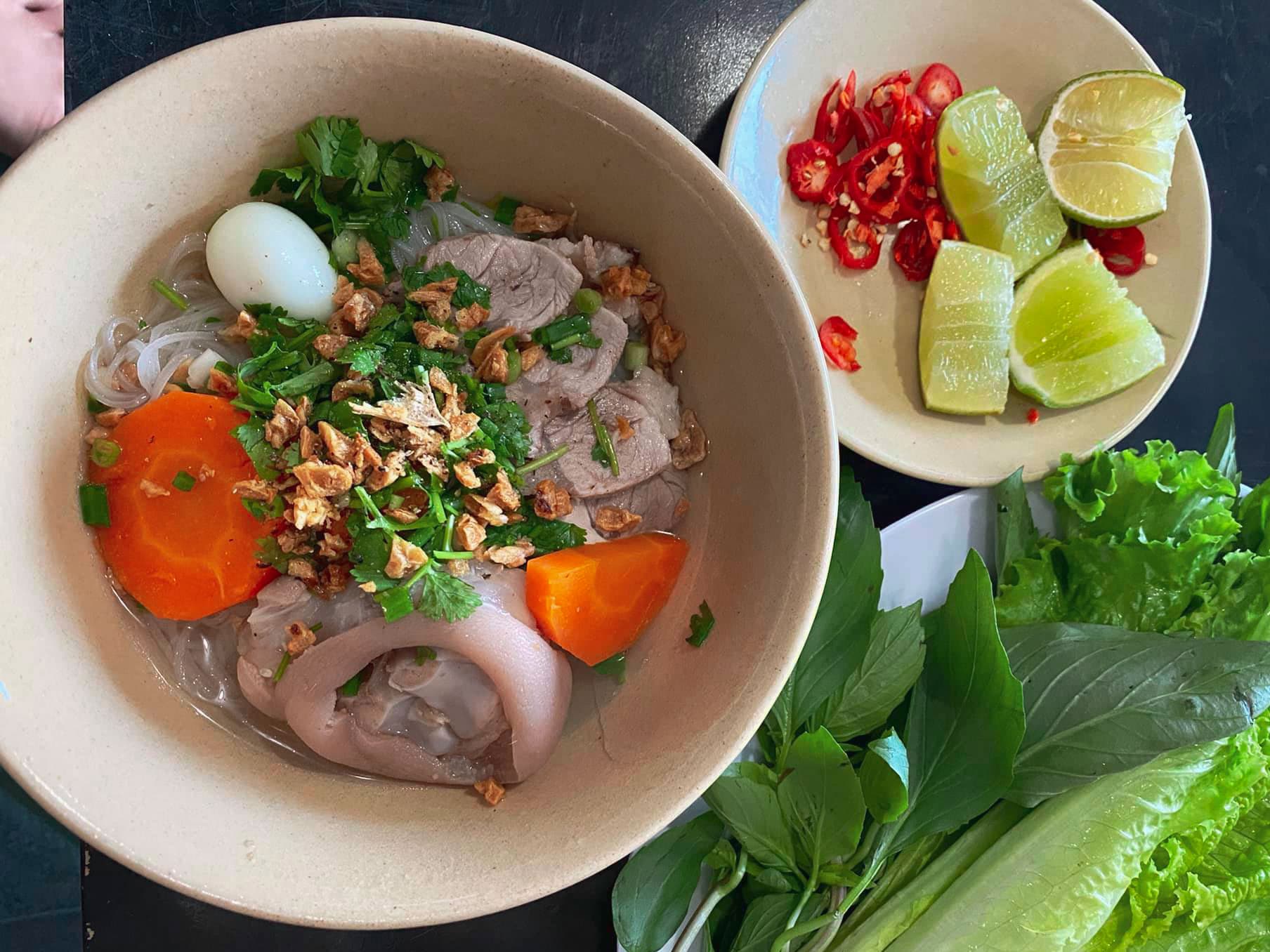
My Tho noodle soup is a kind of noodle soup made by the My Tho people, the main ingredients are dried noodles, the main broth is minced meat, pork intestines cooked with pork bone marrow. Then pour the noodles with the broth and add additional ingredients such as bean sprouts, shallots, minced meat and pork intestines. In 2009, My Tho noodle soup of the My Tho noodle production cooperative group (Hoi Gia hamlet, My Phong commune, My Tho city, Tien Giang) was approved by the Vietnam Trademark Center, belonging to the Union of Science and Technology. Vietnam, certificated "Vietnamese brand"
Hu Tieu is a dish originating from Cambodia. When coming to Vietnam, after a long time and many events, this dish has been modified to suit Vietnamese cuisine and gradually becomes a popular dish. The Khmer noodle dish has been re-processed and combined with new ingredients to create a very unique flavor that is both suitable for Vietnamese taste and typical of the cuisine of the Southwest region. And the place associated with this dish is My Tho city in Tien Giang province, so the famous My Tho noodle dish.
3. Hu Tieu My Tho (Noodle Soup) in My Tho
Hu Tieu My Tho (Noodle Soup) in Vietnam
The first and most recognizable feature of My Tho noodle soup is the noodles used to cook this dish. This ingredient will be small, dry, chewy and have a slightly sour aftertaste. This is the feature that makes this Southern noodle dish cannot be confused with noodle soup anywhere else.
Because the noodle soup in Cho Lon usually has a large and soft version, even a bit mushy, while the noodle soup in My Tho and this Nam Vang noodle soup has a smaller, tougher stem. Many people tell each other that the best noodle soup must be made of Go Cat rice, a specialty rice variety harvested in My Phong commune, outside My Tho. Because this type of dry noodle soup when cooked, the water will be slightly boiled, adding fried onion fat will make the cake stalks shiny and eye-catching, stimulating the taste buds of diners.
The famous noodles make up the dish of the My Tho people, but showing the good quality of this dish is a family secret that belongs to the person who cooks the broth. This important ingredient is simmered from bone marrow meat and then added dried squid, shrimp lice and fat. But that is not enough, but it also takes a few other "esoteric" spices to create a pot of fragrant noodle soup with a characteristic sweet taste that captivates people.
It can be said that choosing rice grains to make noodles and connecting the broth with a unique recipe is what makes the unique flavor of the famous noodle dish of My Tho.
However, the dish cannot be complete without the accompanying ingredients that today's young people also call topping such as thinly sliced pork, pork bones or ham depending on the taste of the eater, pork noodle soup, dried shrimp with lice, Fatty shrimp, pork liver, parsley, scallions, cabbage,... Depending on the style of My Tho noodle shop, these ingredients can be changed and added. Some Chinese-style restaurants like to sell bread or wonton served with noodles, others prefer to use thinly sliced char siu pork rather than normal boiled meat.
Not only has a variety of side dishes, but the presentation of this Southern noodle dish is also eye-catching with many colors, hiding the harmony of many flavors.
A proper bowl of My Tho noodle soup will only be scooped up about 1/3 of a large chunk of minced lean meat that has been marinated very well in the mouth into a bowl that already has soft noodles. Then, the seller added a patch of boiling broth that was cooked from pork bones, dried squid, and dried shrimp into a bowl. Right after that, the bowl of noodles will be covered with boiled pork or thinly sliced char siu, pork shank, pork bones, pork chop, dried shrimp with lice, fat shrimp, pork liver, quail eggs, fried onions and chopped vegetables. as small as parsley, scallions, cabbage. But that still does not complete the dish but also needs a final step on the part of the diners. It is seasoning and adding spices and chili vegetables on the table.
Indeed, just entering any noodle shop in My Tho, diners will also see a lot of jars such as fish sauce, soy sauce, chili sauce, black sauce, lemon plate, part of raw price, cup of dangerous chili. Served with sliced green, yellow, and peppers and a whole jar of garlic. Particularly, the part of vegetables served with the noodle dish usually has cabbage, coriander and cinnamon.
4. How to Make Hu Tieu My Tho (Noodle Soup)
Ingredient
1 kg of dry noodles
1 kg of tubular bone
300g filet mignon
300g minced meat
300g shrimp
1 pig liver
1 pack of quail eggs
100 g live price
2 white radish
Celery, green onions, chives
Seasoning: salt, sugar, monosodium glutamate
How to cook Western-style My Tho noodle soup
Preparing ingredients
- Clean the tubules. Put the bones in a pot of boiling water, then take them out and rinse with cold water.
- Boiled quail eggs, peeled off the shell.
- Shrimp peeled, split back and washed with salt.
- Boiled liver and cut into thin slices. Tenderloin washed, boiled, thinly sliced.
- Wash celery, cut into small pieces. Price live washed.
- Wash the scallions, cut the onion head into long pieces, and cut the onion leaves into small pieces. Chives cut into long pieces.
- White radish, peeled, washed and cut into circles.
How to cook My Tho noodle soup
- Put the ground meat in the hot oil pan, stir-fry until the meat is firm, add a little MSG and fish sauce, stir well and then put in a bowl.
- Pour the noodles into the broth, put the noodles in a bowl.
- Put the bones that have been lightly burned into the stew pot, let the fire simmer slowly until the bones are soft. Continue to cook the white radish, when the bones and tubers are soft, season with the seasoning and then turn off the stove. During the cooking process, often skim off the foam to make the broth clearer.
Finished product
Put the noodles in a bowl, put the tenderloin, shrimp, liver, quail eggs and fried minced meat on top. Add chopped shallots, onions, and celery and pour the noodle soup over.
5. Pro tips:
Here are our tips for easing your mind (and stomach) around food-handling environments that you may not be used to.
Make sure the food is freshly cooked. If you're eating hot street food, it's always safest (not to mention more delicious) to eat food you can see being cooked to order.
Look for lines and busy stalls. Busy street food stalls are an indicator of popularity, and their high turnover rate means the food is never sitting out for hours and developing dreaded bacteria. Yes, long lines can be discouraging when you’re hungry after a full day of exploring, but it’s not worth the risk of grabbing precooked food from the empty spot next door.
Eat when the locals are eating. The last and most important element here is when to eat. You’re likely already on a weird eating schedule while you’re traveling, but it’s important to try and adjust to the eating times of where you are. A bowl of pho might be lunch for Americans, but it’s breakfast for the Vietnamese. This ensures that you’re eating freshly cooked food and that you can find the best and most popular places to eat.
If you can’t drink the water, then you can’t eat the salad. Most people get so hung up on not drinking the water or skipping ice in drinks that they don’t think about all of the other ways in which water is used in food service. Fruits and vegetables tend to be washed with tap water in most places, rather than the filtered water that locals drink—or sometimes it’s not washed at all. If you’re really craving some produce, try fruits you can peel or cooked veggies.
Trust your gut. If you’re unsure about the food or the way that it’s being prepared, then keep moving. Eating street food all over the world doesn’t make you an expert. Every stall and every country are different, and sometimes the rules can be harder to follow. When something doesn’t look, smell, or feel right, don’t eat it! Trust your judgment. Chances are that there’s another spot close by that’s making something more delicious.