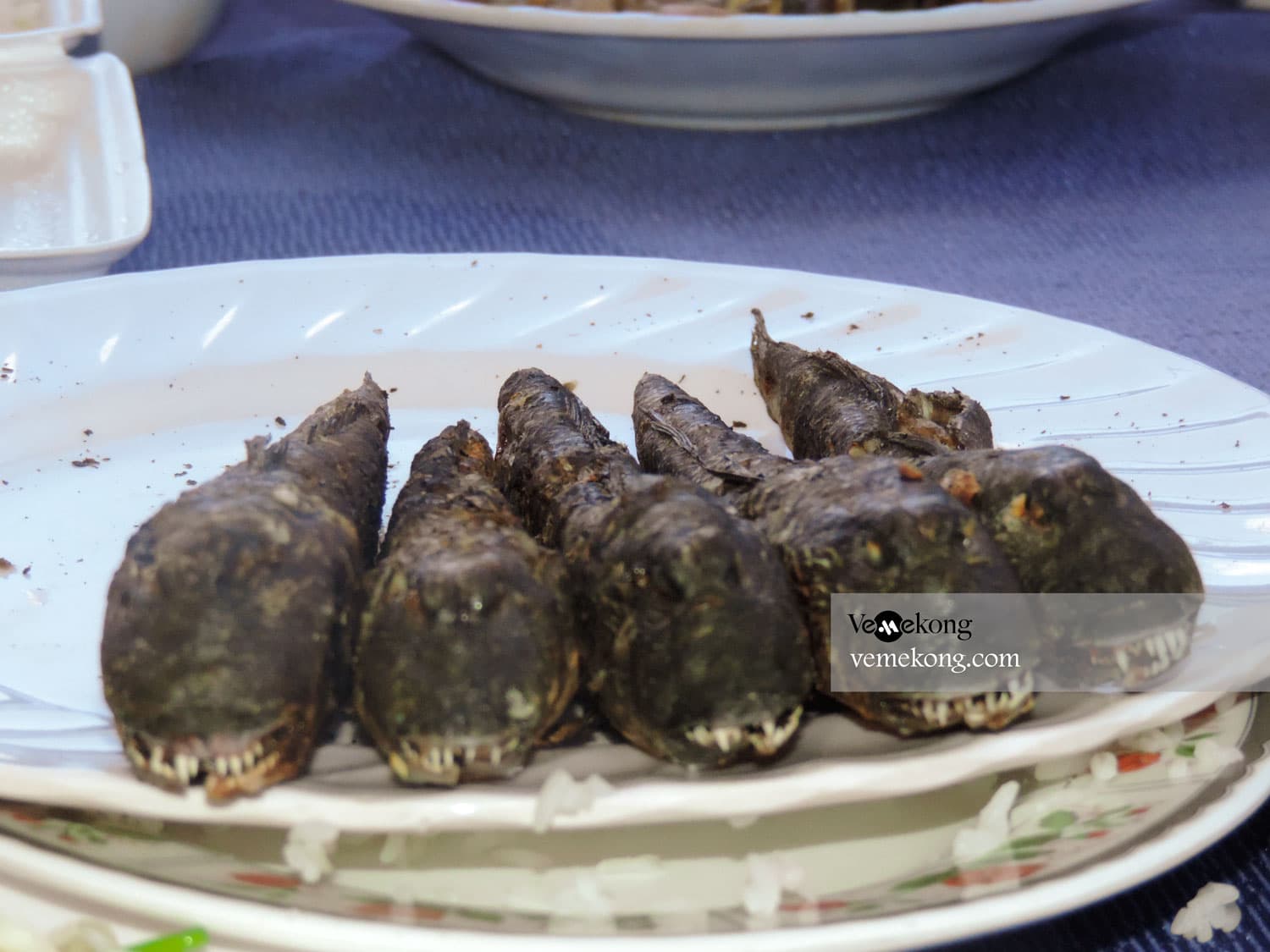
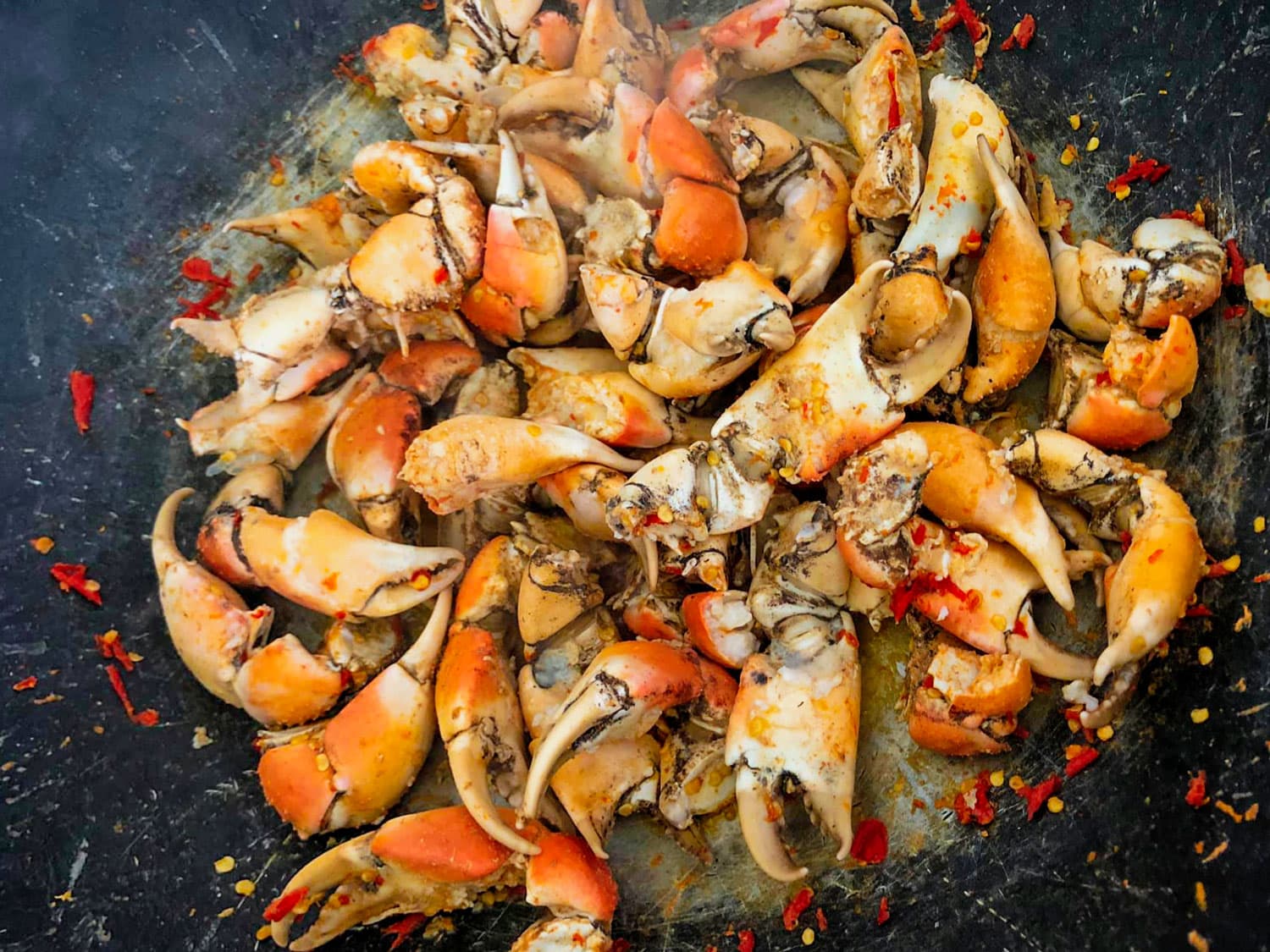
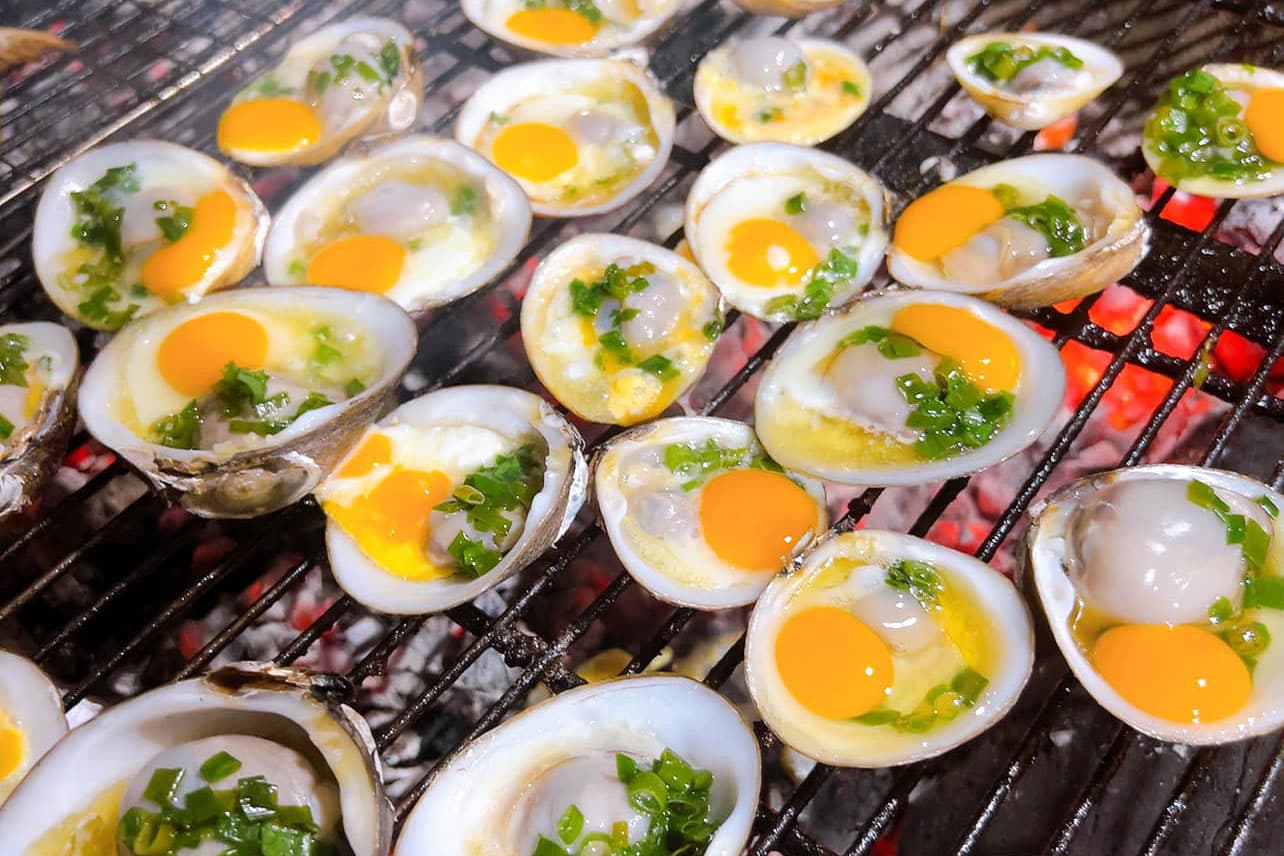
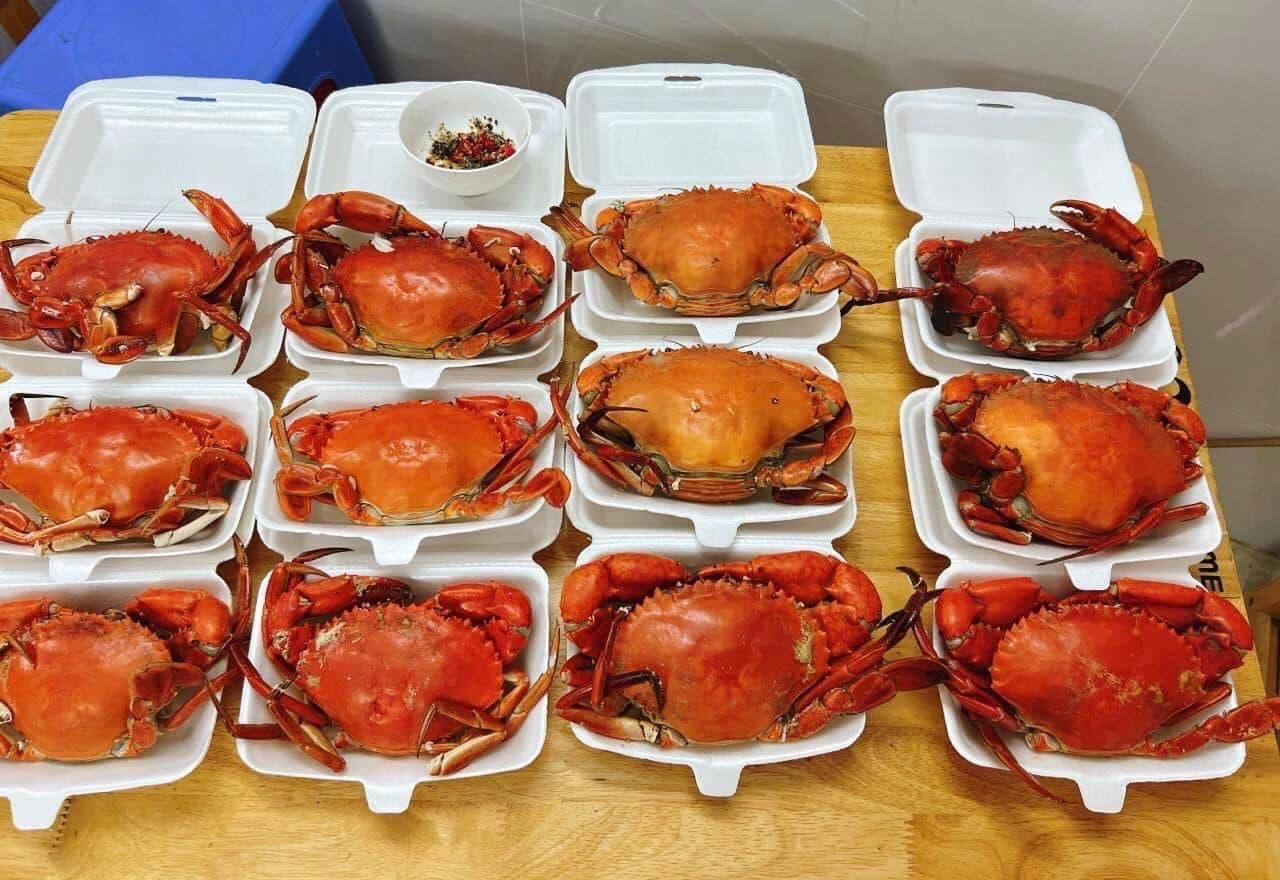
Despite having an ugly and weird appearance that makes diners wary, mudskipper is a "rare and hard to find" specialty in Ca Mau. Coming to Dat Mui, not everyone is lucky enough to enjoy this "heaven-given" specialty.
Nowadays, there are more and more green and responsible tours which are meaningful and educational as well. This is why Can Tho noodle factory is getting popular for both Vietnamese and foreigners to come and explore the cuisine culture and the typical local life in Can Tho, Mekong Delta.
Facts: A special thing is that mudskippers currently only live in the wild, and cannot be raised by farms, so diners who want to enjoy it must ask people to catch them manually. They are also considered "rare and hard to find" specialties, and difficult to buy with money.
2. Better to Know Grilled Mudskipper Fish
Mudfish (or tree climbing fish) belong to the family of white gobies, often live and dig burrows to live in mangroves or coastal alluvial soils, along rivers... In Vietnam, Ca Mau is likened to a "capital capital." "of mudskippers.
This fish has an ugly appearance with a small size of only about 1-2 fingers. Their eyes are quite large, bulging more than their heads, so their shape looks very strange. Mudfish can live both on land and in water. They even "fly" and climb trees quickly thanks to two strong front fins, which act like a pair of hands.
Mudfish was once listed by the World Organisms as one of the 6 "strangest animals on the planet" because of its unique structural features on the body.
To catch this fish, local people have many ways such as setting traps, fishing during the day or lighting at night... When the light is in the eyes, the fish becomes motionless and disoriented. easier for people to catch. However, setting traps is still considered the most popular and effective.
People often create traps from many materials such as using a sledge (made of nipa leaves, shaped like a thatch) or recycling old bottles to make traps placed in front of the fish's cave. When the water dries up, the mudskippers start to crawl out and will get caught in the trap but can't get out. People quickly picked up the traps and collected fish to bring back.
3. Grilled Mudskipper Fish in Ca Mau
To process mudskippers, people have to take the fish to clean, remove all the oil on the skin. This fish lives in a natural environment, so the meat is very delicious and firm. Therefore, many restaurants, eateries in the city or even gourmets are willing to spend money to buy them at high prices.
Mudfish is the raw material for many dishes such as braised with pepper, sour hot pot, fried, grilled with salt and pepper... Each dish has a different processing and flavor but they all leave a bold mark in the food. diners' hearts.
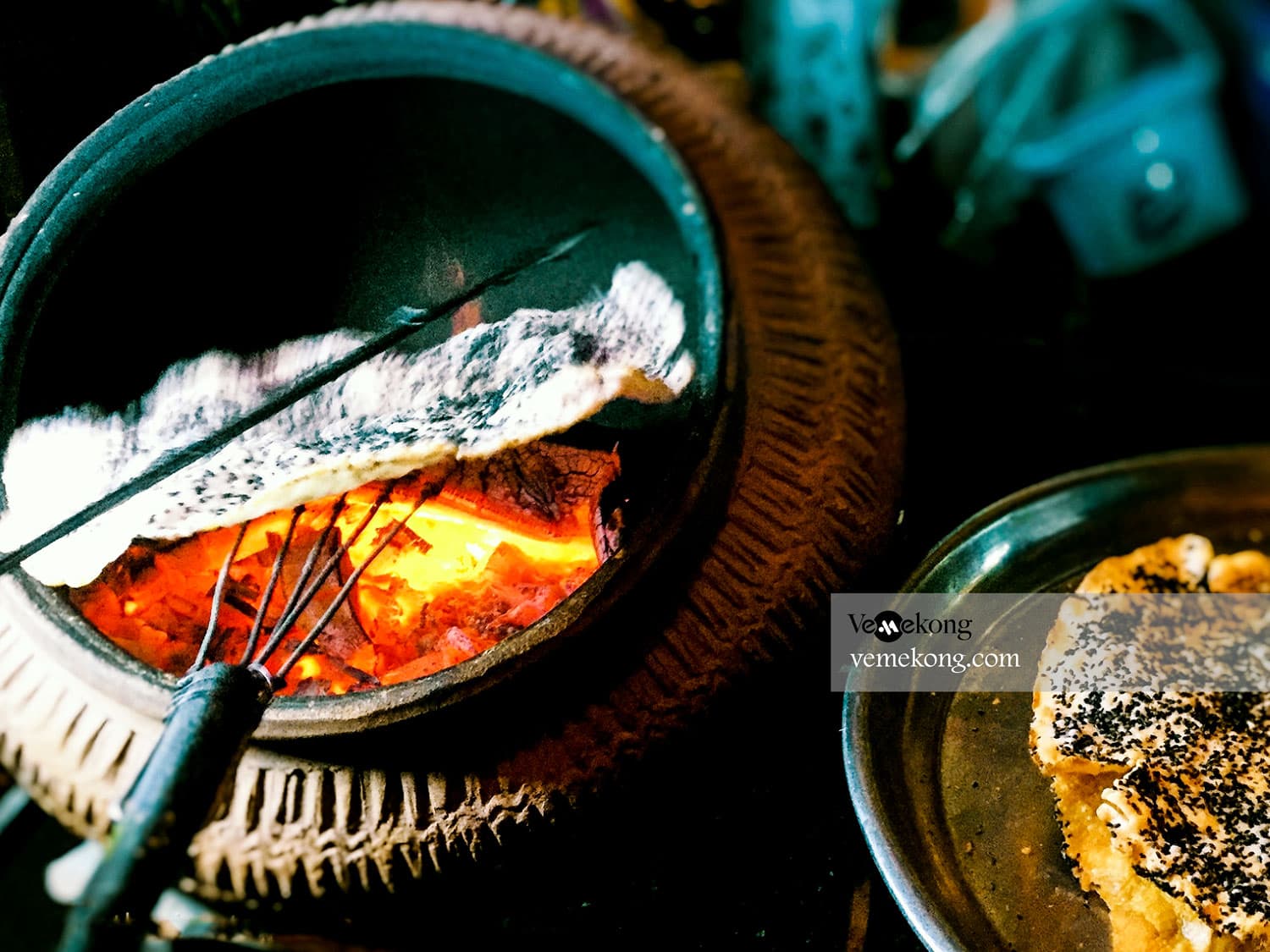
With grilled fish with salt and pepper, people clean the fish and then skewer it on long bamboo sticks. The fish is grilled on a charcoal stove to bring out the aroma. No matter where it is baked, the chef will continuously brush the mixture of salt, chili and cashew oil up there so that the fish evenly absorbs the spices as well as has a beautiful color. When one side of the fish is cooked, flip the other side over. Grilled fish dishes have golden skin, crispy, fragrant nose. The flesh of the fish is white, firm and tender. When enjoying, diners just need to use chopsticks to separate the fish meat from the bones and then dip it with salt, pepper, lemon or spicy fish sauce, served with herbs. The aromatic sweetness of the fish combined with the accompanying spices creates a strange and delicious dish that "attracts" guests.
4. How to Make Grilled Mudskipper Fish
Ingredients for grilled mudskipper with salt and pepper
1kg mudfish
3 tablespoons salt
3 chili peppers
Brochettes
Good tip:
- You should choose live mudskippers, still swimming. Besides, you need to pay attention to the fish with light green scales, outside with a slimy layer, which are delicious mudskippers.
- You choose to buy big mudskippers, about 1 hand long, with bulging eyes and transparent eyes.
How to make grilled mudskipper with salt and pepper
Step 1. Prepare ingredients
You prepare sticks to skew fish, you should prepare long and strong sticks to skew fish.
After buying, the first thing you do is use a skewer from the fish's mouth to the fish's tail.
After that, you will thoroughly wash the slimy outside of the fish and let it dry.
Step 2. Marinate the fish
You put 3 tablespoons of salt in the bowl, 2 chili peppers and then puree them all.
Next, you put the drained fish into the bowl. Then, you bring the prepared salt mixture to the fish, marinate the fish for about 15-20 minutes.
Step 3. Grill the fish
With grilled mudskipper, you should grill with charcoal fire, the dish will be more delicious. Besides, you can also bake fish in an oil-free fryer or bake in a microwave or oven for about 15-20 minutes with a temperature of 180 degrees Celsius.
After marinating the fish, put the fish on the grill.
You grill the fish for about 10 minutes, then turn the fish over until the fish is cooked evenly. You grill the fish until both sides are cooked and the dish is complete.
5. Pro tips:
Here are our tips for easing your mind (and stomach) around food-handling environments that you may not be used to.
Make sure the food is freshly cooked. If you're eating hot street food, it's always safest (not to mention more delicious) to eat food you can see being cooked to order.
Look for lines and busy stalls. Busy street food stalls are an indicator of popularity, and their high turnover rate means the food is never sitting out for hours and developing dreaded bacteria. Yes, long lines can be discouraging when you’re hungry after a full day of exploring, but it’s not worth the risk of grabbing precooked food from the empty spot next door.
Eat when the locals are eating. The last and most important element here is when to eat. You’re likely already on a weird eating schedule while you’re traveling, but it’s important to try and adjust to the eating times of where you are. A bowl of pho might be lunch for Americans, but it’s breakfast for the Vietnamese. This ensures that you’re eating freshly cooked food and that you can find the best and most popular places to eat.
If you can’t drink the water, then you can’t eat the salad. Most people get so hung up on not drinking the water or skipping ice in drinks that they don’t think about all of the other ways in which water is used in food service. Fruits and vegetables tend to be washed with tap water in most places, rather than the filtered water that locals drink—or sometimes it’s not washed at all. If you’re really craving some produce, try fruits you can peel or cooked veggies.
Trust your gut. If you’re unsure about the food or the way that it’s being prepared, then keep moving. Eating street food all over the world doesn’t make you an expert. Every stall and every country are different, and sometimes the rules can be harder to follow. When something doesn’t look, smell, or feel right, don’t eat it! Trust your judgment. Chances are that there’s another spot close by that’s making something more delicious.