Dried Radish (Xa Bau) – Eat Best Food in Soc Trang
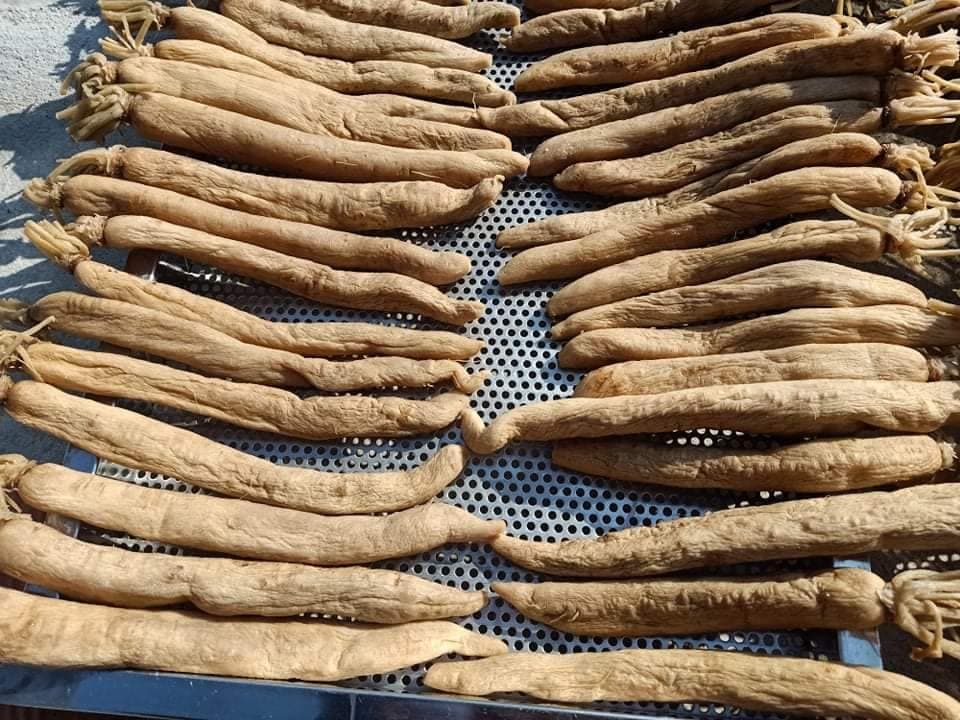
In addition to purple onions, white radish is also one of the crops that bring high economic value in Soc Trang. In particular, dried radish (xa bau) is popular with people inside and outside the province.
Nowadays, there are more and more green and responsible tours which are meaningful and educational as well. This is why Can Tho noodle factory is getting popular for both Vietnamese and foreigners to come and explore the cuisine culture and the typical local life in Can Tho, Mekong Delta.
Dried Radish (Xa Bau) – Eat Best Food in Soc Trang
Facts: Xa Bau in Chinese means nutritious radish, which Vietnamese call Dried radish.
2. Better to Know Dried Radish (Xa Bau)
Xa Bau is a pickled radish dish originating from the Tieu people (Tieu Chau). During the process of cultural exchange and migration to the Southern region, this dish was introduced into Vietnam and became a specialty dish that you cannot ignore when coming to Bac Lieu, Soc Trang. Xa Bau is a name that is misread from "chai pau" in the Tieu language
3. Dried Radish (Xa Bau) in Soc Trang
Xa Bau is made from the main ingredients of white radish, salt and sugar. White radish will be dried to peel and then mixed with salt until the radish is slightly moist and supple, then mixed with white sugar and incubated for a few days, it can be used.
Xa Bau after completion will have a dark brown color, the surface is a bit dry and tough. When eaten, it tastes sweet, salty, and has a radish aroma. In Soc Trang, people often use it to serve with white porridge, white rice, banh tet, or to process it into dishes such as: Stir-fried Xa Bau with bacon, Sauteed with lemongrass and chili, cooked soup….
4. How to Dried Radish (Xa Bau)
Ingredients for making Xa bau
3kg white radish
1.2kg salt granules
How to make amnesty
Step 1. Preliminary processing of white radish
Buy white radish, wash thoroughly and drain. When buying, you should choose elongated, firm, heavy-handed tubers so that the salt is better.
Step 2. Salting
You prepare a large bowl, then spread a layer of salt on the bottom of the bowl. Then arrange the radish on top. Make a layer of salt, a layer of radish in turn until all ingredients are gone.
Use a tray to cover the bowl and marinate the beets overnight. After 1 night of marinating, the radish will soften slightly and the water will appear to have been drawn from the radish due to the salt.
Note: Do not pour out the water drawn by the salt.
Step 3. Let it dry
Next, you put the radishes on a tray and let them dry in the sun for a day. After drying in the sun, the radish will shrivel slightly and appear a little powdery white on the stem.
Next, you continue to marinate the radish for 1 night in a bowl of brine that has soaked the radish the day before. Do continuously in the order of bringing radishes to the sun in the morning, marinating the radishes in such salt water for 7-8 days in the evening.
After 7-8 days, you have a very delicious soft and chewy pickled radish salad. However, in order for the radish to have a beautiful color, you should put the radish in a glass jar, cover the lid and incubate for another 7 days.
Step 4. Finished Product
After 7 days of incubating radishes in a glass jar, you will get a pickled radish with natural brown color, very beautiful. Radishes are crispy, fragrant, attractive and can be used to process many different dishes such as: Sweet and sour sago, soup...
5. Pro tips:
Here are our tips for easing your mind (and stomach) around food-handling environments that you may not be used to.
Make sure the food is freshly cooked. If you're eating hot street food, it's always safest (not to mention more delicious) to eat food you can see being cooked to order.
Look for lines and busy stalls. Busy street food stalls are an indicator of popularity, and their high turnover rate means the food is never sitting out for hours and developing dreaded bacteria. Yes, long lines can be discouraging when you’re hungry after a full day of exploring, but it’s not worth the risk of grabbing precooked food from the empty spot next door.
Eat when the locals are eating. The last and most important element here is when to eat. You’re likely already on a weird eating schedule while you’re traveling, but it’s important to try and adjust to the eating times of where you are. A bowl of pho might be lunch for Americans, but it’s breakfast for the Vietnamese. This ensures that you’re eating freshly cooked food and that you can find the best and most popular places to eat.
If you can’t drink the water, then you can’t eat the salad. Most people get so hung up on not drinking the water or skipping ice in drinks that they don’t think about all of the other ways in which water is used in food service. Fruits and vegetables tend to be washed with tap water in most places, rather than the filtered water that locals drink—or sometimes it’s not washed at all. If you’re really craving some produce, try fruits you can peel or cooked veggies.
Trust your gut. If you’re unsure about the food or the way that it’s being prepared, then keep moving. Eating street food all over the world doesn’t make you an expert. Every stall and every country are different, and sometimes the rules can be harder to follow. When something doesn’t look, smell, or feel right, don’t eat it! Trust your judgment. Chances are that there’s another spot close by that’s making something more delicious.